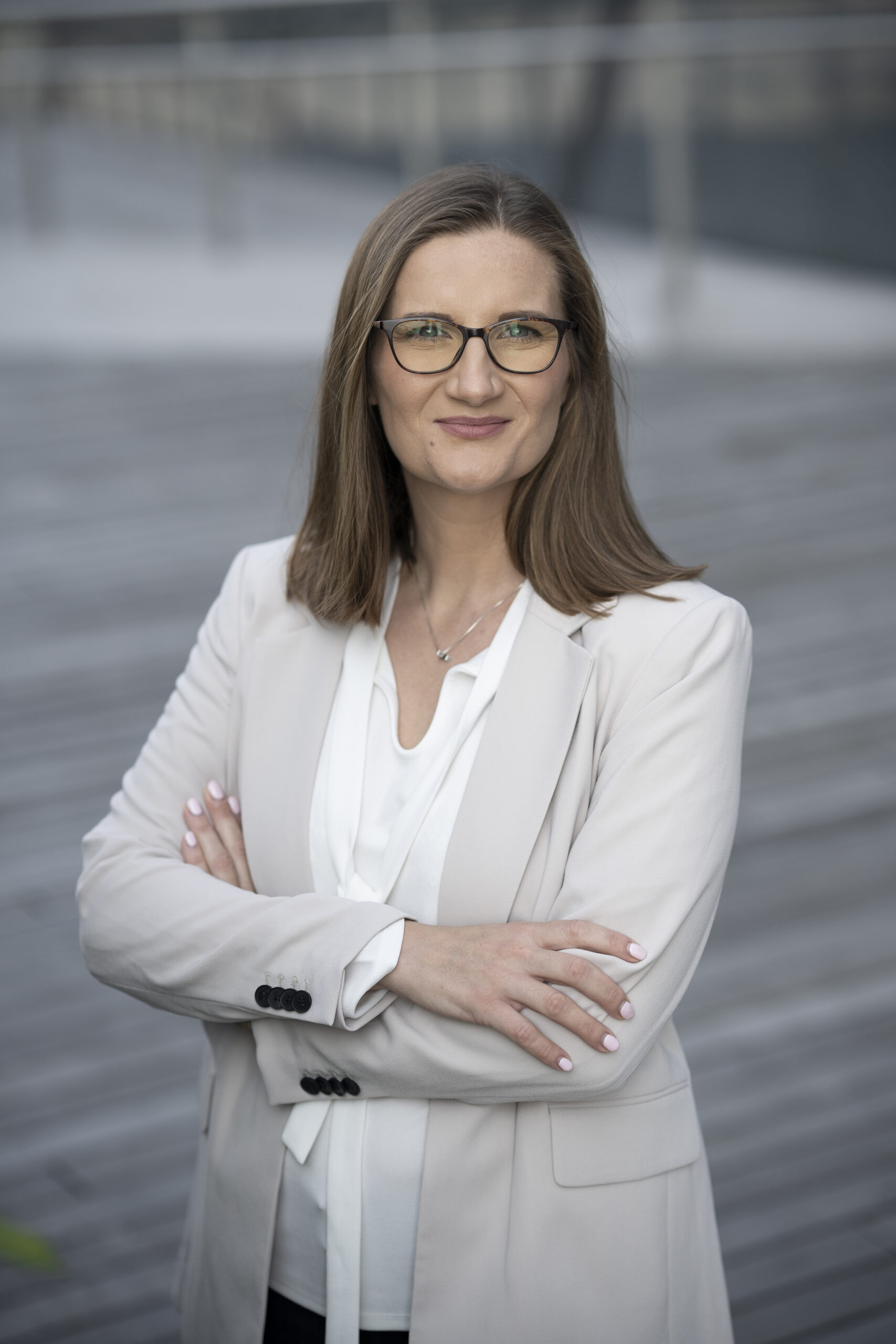
Victoria Goodenough has spent her career on the front line of MRO business development – the conversations that happen before any workscope is agreed, any contract is signed, or any engine changes hands.
Engine maintenance is not a catalogue purchase. The values involved are significant, the technical stakes are high, and the decision to hand a CFM56 workscope to a new provider is rarely made quickly.
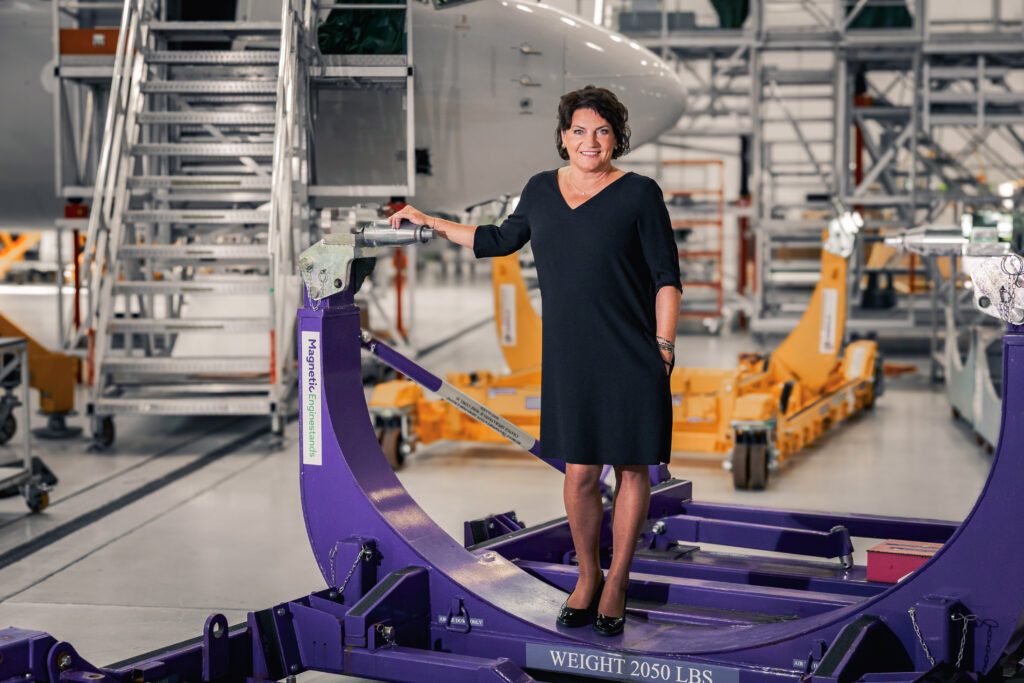
Victoria Goodenough, Business Development Manager at Magnetic Engines, knows this better than most.
“In aviation, specifically MRO, you are not selling a service. You are building a relationship.”
It is a simple observation. The implications are anything but.
Three Phases, One Relationship
Victoria describes the process of building a new client relationship in three stages – each requiring a different kind of effort, and a different kind of patience.
The first, she calls treasure hunting. Finding the right contact at the right organisation requires a combination of research, referrals, and persistence.
“It makes no sense to invest your precious time on the wrong person,” she says. “And it is not for the faint-hearted.”
Once that connection is made, the work shifts into what she calls the LEGO phase – building the relationship piece by piece.
Regular meetings, conversations at industry events, understanding a customer’s pain points and future plans. The technical questions matter, but they are rarely what moves things forward. “At the forefront remains the personal touch,” Victoria says.
“Really getting to know the person in front of you. Their concerns, their worries, their ambitions.”
The third phase is where many relationships quietly break down. Victoria calls it gardening. “It takes huge effort to get your garden looking good, but the work doesn’t stop there. Same with your customer – you cannot build something together and then neglect it.”
What Customers Actually Need
Before any operator commits a high-value workscope to a provider they have not worked with before, something has to give. Victoria’s view on what that something is might surprise people who expect the answer to be capability lists or pricing.
“Communication,” she says. “If a service provider communicates well from the start, it is the basis of trust. It is what I consistently hear customers value.”
The parallel she draws is deliberately human. Finding an engine MRO, she suggests, is not so different from finding a good builder or a reliable mechanic.
Reputation, delivery, value – and above all, the instinct that the person across the table will tell you the truth when something is difficult.
When Partnership Becomes Real
Returning business is a good sign. Smooth operations are better. But Victoria’s benchmark for genuine partnership is something else entirely.
“You know you have a real partnership when things go wrong – and you fix the problem together.”
It is in those moments, she says, that the distinction between customer and provider disappears. Not a client and an MRO, but a single team with one goal.
That, in her experience, is what trust in engine MRO actually looks like.
It takes time to build. It takes consistency to maintain.
And it is worth considerably more than any single workscope.
 go back