go back
The NDT Inspector Who Helped Keep a WRC Team on the Road

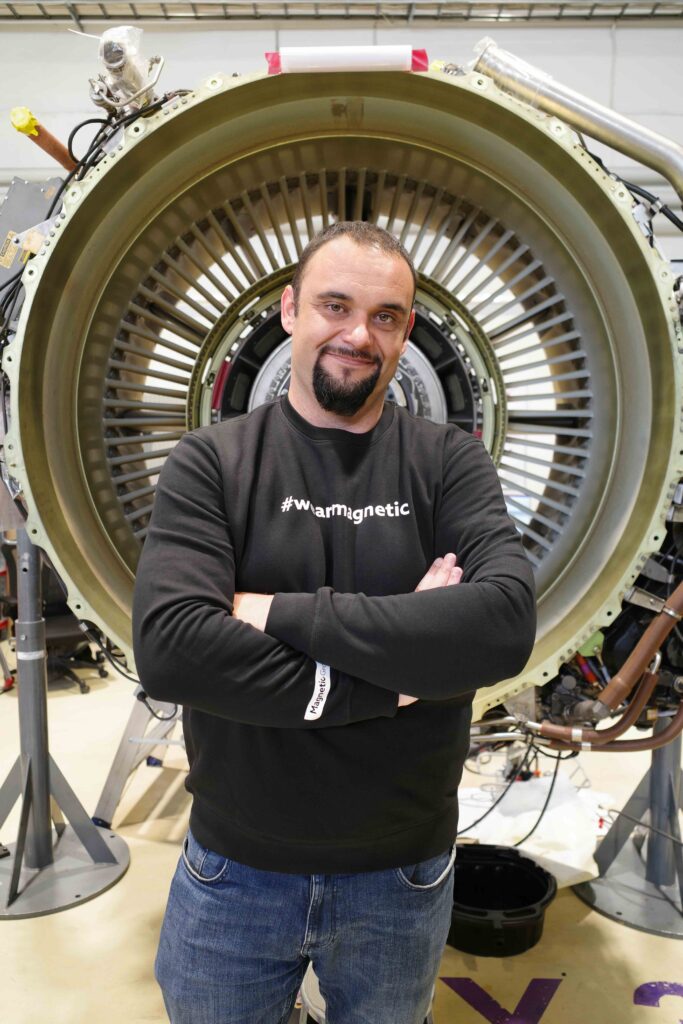
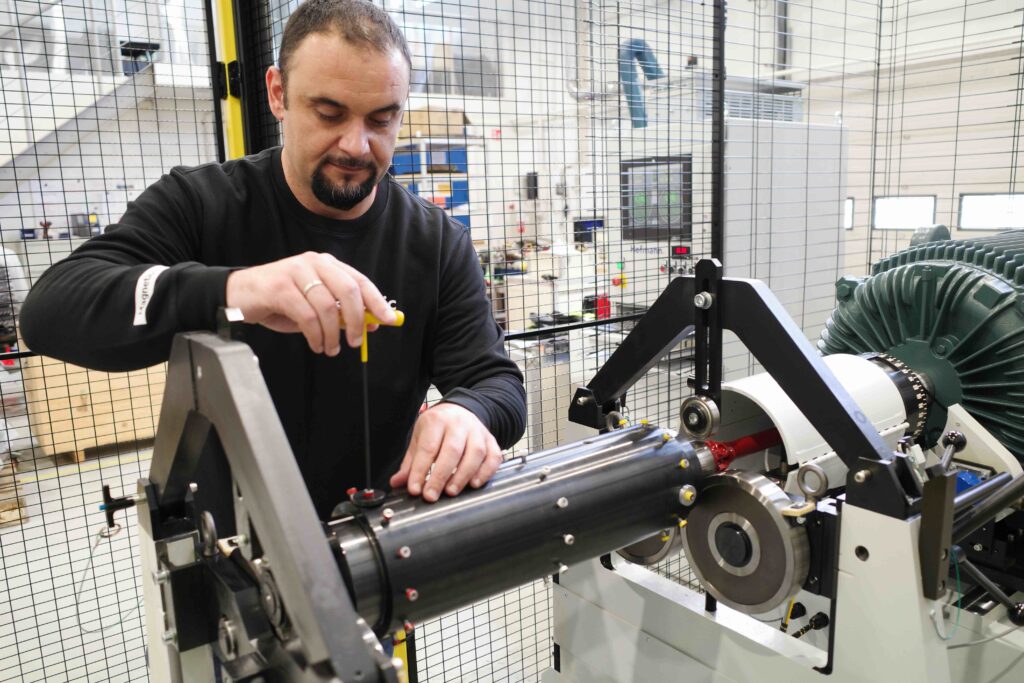
Erki Kriisa spends his working life looking for things other people can’t see. As NDT Workshop Supervisor at Magnetic MRO, his job is to find cracks, corrosion, and structural weaknesses in aircraft components before they become a safety risk – using inspection methods that leave the part itself untouched.
For years, one of the more unusual chapters of that career was something he couldn’t talk about.
“My dream was to one day cooperate with a WRC team,” says Kriisa. “And I can proudly say that this dream has come true.”

A Call From the Paddock
The connection came through motorsport, not aviation. Kriisa has competed in the Estonian Rally Championship as a co-driver, and it was through contacts made there that he received a call one day from someone working with Toyota’s WRC programme.
The team had been experiencing failures in damper mounting points and needed help figuring out why.
“We met, I introduced them to NDT, and together we developed an inspection plan,” Kriisa explains.
The underlying issue turned out to be a minor design weakness – but FIA regulations are strict, and homologated parts cannot simply be modified once approved. Regular inspection was the fastest, most practical way to manage the risk.
Cracks Found, Disaster Avoided
It worked. “We discovered multiple cracks that could have led to serious failures and potential accidents,” says Kriisa. The results were significant enough that he was invited to the 2021 Acropolis Rally – one of WRC’s most physically demanding events – to inspect suspension components under genuinely extreme conditions.
He couldn’t share any of this publicly at the time. “I had signed a long-term confidentiality agreement with the Toyota WRC team, which has since expired,” he says.
It’s only now, years later, that the story can be told.
Where Aviation and Motorsport Meet
For Kriisa, the project was proof of something he’d long suspected about the relationship between aviation and motorsport. “Aviation is a major source of inspiration for both Formula 1 and WRC teams,” he notes.
The influence runs from small details – identification tags on removed parts, heat-insulating materials, non-reflective paints – all the way up to fully equipped in-house NDT departments, built on practices that originated in aircraft maintenance hangars.
It’s a connection that makes sense once you think about it. Both environments demand precision under pressure, zero tolerance for undetected defects, and a level of documentation discipline that most industries never need.
Two Worlds, Kept Separate
Kriisa has lived in both worlds simultaneously for years – methodical and procedure-driven at Magnetic MRO during the week, then channeling the same instincts into competitive crosskart racing on weekends, often at a national championship level.
He’s careful to keep the two separate in his own head. “I prefer to keep aviation and racing separate,” he says.
“It helps me stay mentally fresh both at work and during race weekends.”
But the Toyota story is the clearest evidence that the line between them isn’t always so fixed – sometimes the skills built in a hangar end up mattering most on a rally stage.


Still Not Done Learning
Nineteen years into his career at Magnetic MRO, Kriisa still isn’t NDT Level 3 certified in every inspection method available.
By his own account, that’s part of what keeps the job interesting. “Aviation is never boring,” he says. “Every day brings new challenges, and the opportunities for development are enormous.”
Some of those opportunities, it turns out, can take you all the way to a WRC service park.