Sustainability in aviation is often reduced to a single metric: emissions. For an MRO organisation, the definition runs much deeper. Laura Roke, Commercial Director at Magnetic Group, makes the case for a broader view, one where supply chain resilience, technical expertise, and long-term partnerships are just as central to sustainability as any environmental commitment.
Mention sustainability to most people in aviation, and the conversation turns to fuel and carbon. That is not the wrong conversation. But it is an incomplete one.
“A sustainable MRO is one that can consistently deliver value to airlines,” says Laura. “That means operational excellence, resilient supply chains, technical expertise, and long-term partnerships, not just environmental targets.”
Supply Chain: The Foundation Nobody Talks About Enough
The biggest challenge facing today’s MRO industry is not maintenance capacity. It is supply chain resilience. A single unavailable component can keep an aircraft grounded.
“Implementing more advanced software is a multi-year transformation rather than a one-time IT project,” Laura explains. “But ultimately it creates a more integrated connection between airlines and MRO providers.”
Better planning and more accurate material forecasting help avoid the twin dangers of costly excess inventory and critical parts unavailability. In a constrained market, that balance is often determined long before the aircraft enters the hangar.
Base Maintenance: The Work Starts Before the Aircraft Arrives
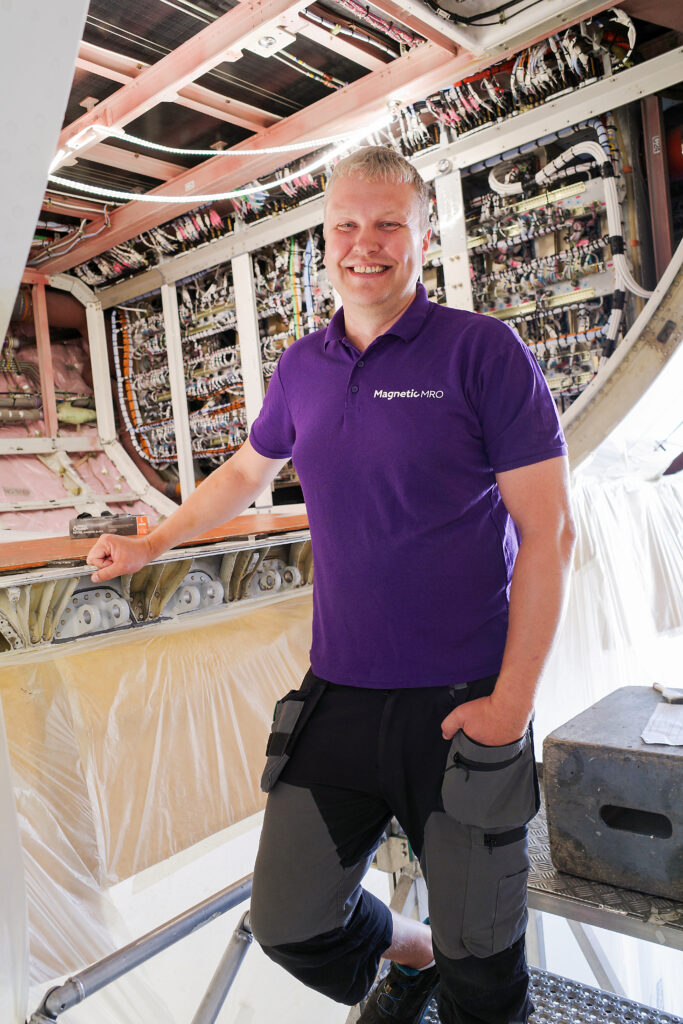
Efficient base maintenance starts long before an aircraft enters the hangar. “Strong planning is the key to delivering quality, predictability, and on-time performance,” says Laura.
Behind the scenes, attracting and retaining qualified engineers has become just as pressing a challenge as hangar utilisation. “Investment in training, career development, and a modern working environment is becoming just as important as investment in facilities.”
Trading: Where Supply Chain Meets Strategy
For many organisations, trading is still treated as a procurement function. The reality is more strategic. Managing spare parts for active maintenance programmes and handling high-value components like landing gear and APUs means customers are never held back by unavailability. “It is the difference between an aircraft flying and an aircraft waiting,” says Roke.
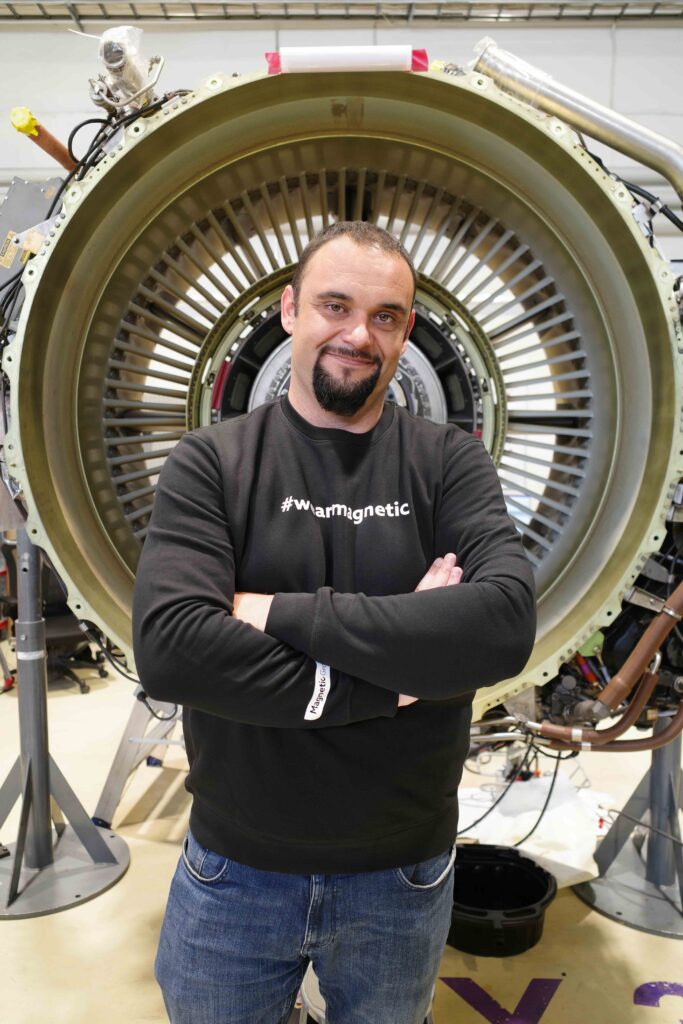
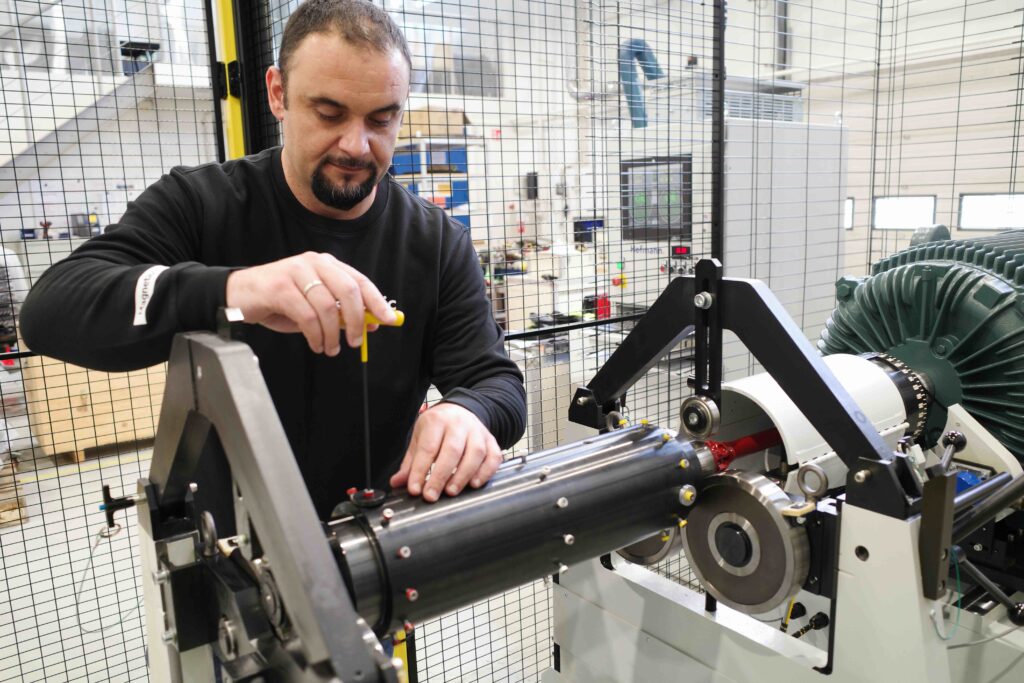
Engine Shop: Technical Capability Is Only Half the Story
With around 24,000 CFM56 engines still in service, engine maintenance today is driven as much by supply chain performance as by what happens on the shop floor. Long turnaround times are often caused not by lack of technical capability, but by shortages of repair materials and Life Limited Parts.
“Airlines and asset owners are purchasing critical LLPs in advance, or even dismantling serviceable engines to secure scarce components,” Laura points out. “These investments may cost millions. But they help keep aircraft in the air.”
One Ecosystem, Not One Service
Sustainable MRO reaches further than the hangar. Magnetic Enginestands operates a global engine stand leasing platform covering over 100 stands across 20 engine types, from narrow body to wide body. Its digital leasing platform streamlines the process, reduces administrative time, and minimises operational delays.
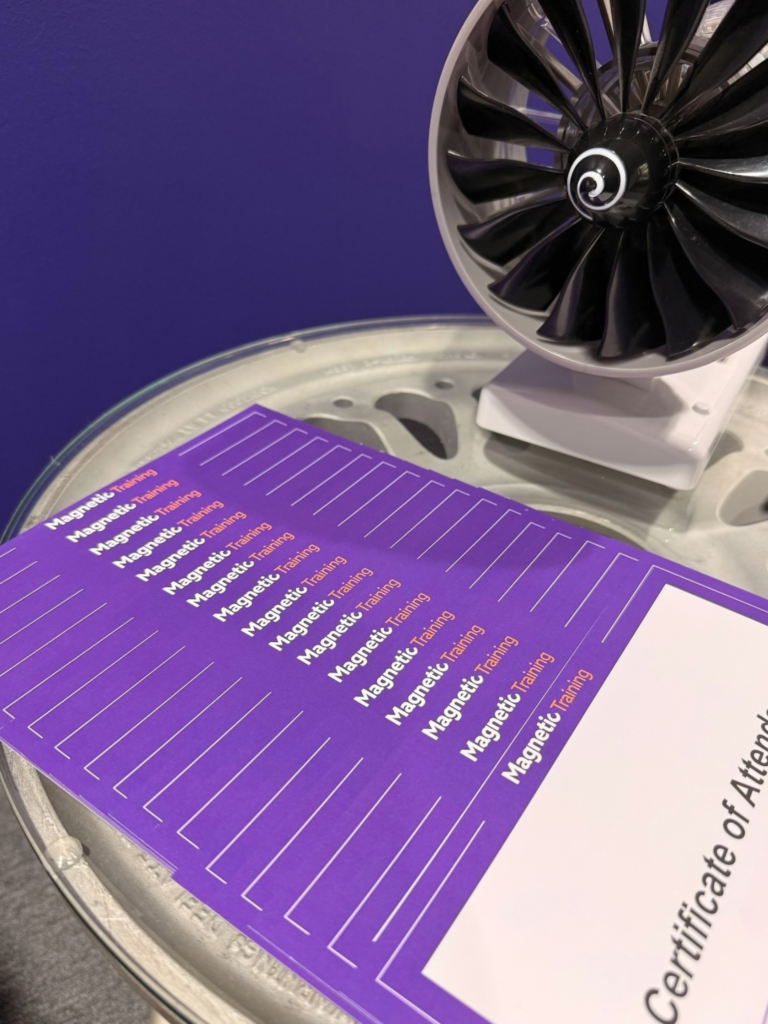
Magnetic Training, an EASA Part-147 approved training centre, offers type and specialised training courses that help airlines and maintenance organisations build technical competence from within rather than sourcing it externally.
The CAMO and Engineering teams extend that support across the full aircraft lifecycle. Experienced engineers provide additional manpower and technical expertise during aircraft redeliveries, repossessions, pre-purchase evaluations, and mid-lease or end-of-lease inspections. A specialised Borescope Inspection (BSI) team operates with worldwide mobility, delivering expert inspection services wherever they are needed.
“Through this portfolio, we deliver added value at every stage of an aircraft’s lifecycle,” highlights Roke. “Helping asset owners and operators maintain airworthiness, protect asset value, and enhance operational efficiency.”
That is the version of sustainability that rarely makes headlines. But it is the one that determines whether an MRO is still trusted when the market tightens.
“Building a sustainable MRO is not about offering a single service,” Laura emphasises. “It is about creating an ecosystem where supply chain resilience, maintenance, engineering, and people all work together to keep aircraft flying safely, efficiently, and reliably.”
That is the version of sustainability that rarely makes headlines. But it is the one that determines whether an MRO is still trusted when the market tightens.
 go back